How Luxury Resorts and Boutique Hotels Became the Ultimate Retail Showrooms for Modern Brands

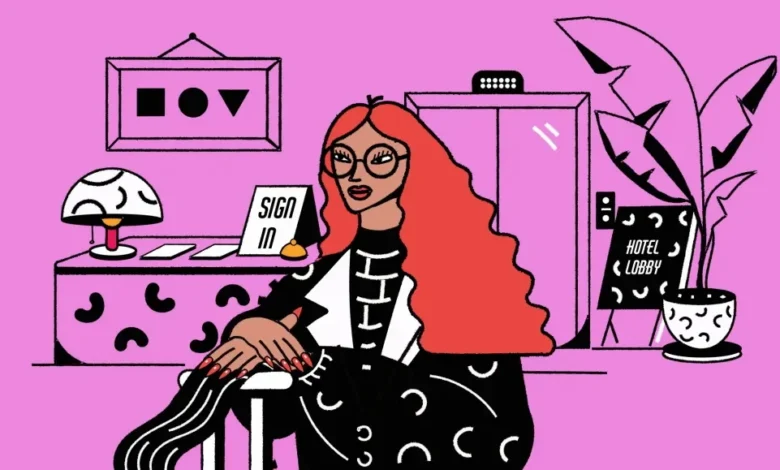
The traditional brick-and-mortar retail playbook is undergoing a profound structural evolution as customer acquisition costs through digital channels continue to surge and conventional advertising landscapes become saturated. To combat these rising expenditures and diminished consumer attention spans, modern brands across diverse sectors—ranging from high-end fashion and direct-to-consumer home goods to durable climate-control appliances—are increasingly turning to luxury resorts, boutique hotels, and high-end short-term rentals as high-impact experiential showrooms. By embedding their physical products, exclusive merchandise, and curated pop-up shops directly into hospitality environments, companies are discovering a uniquely captive audience. Consumers traveling for leisure are demonstrably more relaxed, highly receptive to novel experiences, and remarkably willing to spend disposable income on travel-related lifestyle enhancements, making upscale hospitality properties an ideal arena for immersive brand discovery.
The Shift From Traditional Advertising to Experiential Hospitality
For decades, consumer brands relied heavily on social media performance marketing, search engine optimization, and traditional print or television advertising to build awareness and drive conversions. However, privacy shifts, rising cost-per-click metrics, and ad fatigue have eroded the efficiency of these channels. Concurrently, consumer spending habits have pivoted perceptibly toward experiential economies. Even as economic pressures influence everyday grocery and household budgets, consumer demand for leisure travel remains resilient, particularly among younger demographics such as Generation Z, who frequently prioritize spontaneous travel and experiential "little treats."
According to projections from the U.S. Travel Association, domestic travel spending is on an upward trajectory, experiencing modest growth that accelerates year over year. Complementing this, comprehensive market research from firms like PwC indicates that vacationers routinely allocate significant capital toward shopping and localized souvenirs while away from home. Recognizing that hotel guests spend hours unwinding within their rooms, mapping out local itineraries, and seeking out lifestyle inspiration, innovative brands are capitalizing on this psychological openness. Rather than forcing a digital ad upon a distracted user scrolling through a social media feed, hotel partnerships allow brands to introduce products natively within a pristine, aspirational environment where consumers can interact with them physically.
Case Studies in Hospitality Integration: From Fashion to HVAC
The marriage of hospitality and retail is no longer restricted to hotel-branded merchandise or basic guest toiletries; it has expanded into sophisticated, multi-channel marketing campaigns. This strategy spans various consumer goods industries, demonstrating versatility across different business models.
In the fashion sector, American designer Lela Rose executed a series of targeted seasonal pop-ups designed to blend seamlessly with exclusive resort aesthetics. In February, the brand established a three-day aprés-ski pop-up at Caldera House in Wyoming, offering guests hot chocolate, artisanal popcorn, and a curated selection of Western-themed merchandise. This was followed by a July activation at Montage Big Sky in Montana, timed strategically to coincide with the Professional Bull Riders (PBR) Big Sky event. Attendees were given access to the "Lela Rose Ranch" collection, which featured rare vintage pieces sourced and hand-embroidered by the designer herself, alongside an intimate brand dinner hosted on-site.
According to Lela Rose’s leadership team, these high-touch activations serve a critical expansion function. Because the brand operates a selective retail footprint featuring partnerships with upscale department stores like Saks Fifth Avenue alongside a limited number of standalone boutiques, it lacks the massive physical footprint of twenty stores in twenty distinct cities. Resort pop-ups bridge this geographical gap effectively; notably, approximately 82 percent of the attendees at the Big Sky activation were completely new to the brand. By tailoring inventory to local cultural events—such as pairing Western shirts with a local rodeo weekend—the brand successfully capitalizes on the psychological inclination of travelers to purchase localized mementos they can cherish long after returning home.
Industrial and Home Goods Join the Resort Circuit
The hospitality showroom trend is not limited to soft goods and apparel; durable goods and home utility brands are also leveraging hotel environments to solve unique marketing challenges. Quilt, an innovative climate-control company specializing in electric heat pumps, operates on a complex business-to-business-to-consumer model. The company sells directly to specialized installers, who subsequently market and sell the hardware to homeowners. However, introducing a low-frequency, high-consideration purchase category like home heating and air conditioning to the average consumer presents a formidable marketing hurdle. HVAC systems suffer from historically low brand loyalty, and traditional big-box retail stores fail to provide an inspiring context for an appliance.
To overcome this, Quilt launched an ambitious strategy to equip luxury hospitality properties with its state-of-the-art heat pump systems. Beginning last fall, the company installed its units in select boutique properties, including the Madrona Hotel in California and Hotel Lilien in the Catskills Mountains of New York. Guests staying in these rooms could experience the quiet, efficient climate control firsthand and read informative room manuals that demystified the technology.
Rather than relying purely on passive exposure, Quilt amplified these physical placements through targeted influencer marketing. This summer, the brand organized "Camp Cool" at Hotel Lilien, dispatching five lifestyle and home-design content creators to enjoy outdoor activities while producing digital media for both their personal channels and Quilt’s corporate platforms. The campaign generated approximately 2.5 million impressions, transforming serene hotel rooms into high-yielding digital content studios. Furthermore, Quilt creatively utilized these hotel partnerships as an incentive-based loyalty tool, rewarding its top-performing independent HVAC installation mechanics with weekend getaways at partner properties.
The Business-to-Business Impact on Toiletries and Wellness
The efficacy of hospitality marketing is equally pronounced in the direct-to-consumer wellness and personal care space. Public Goods, a sustainable consumer goods brand known for its minimalist aesthetic and refillable packaging, has made hospitality partnerships a core pillar of its growth strategy. The company supplies eco-friendly toiletries to prominent hospitality partners, including Mint House by Kasa, Stanly Ranch, Auberge Resorts Collection, and Kimpton Hotel Enso.
Data shared by the company’s leadership underscores the tangible conversion power of this strategy. A measurable percentage of new direct-to-consumer customers explicitly cite short-term rentals, boutique hotels, and restaurants as their initial point of discovery. Unlike a fleeting digital advertisement or a disposable single-use sample, placing full-sized or high-quality refillable dispensers in a hotel bathroom grants guests days of uninterrupted, real-world product testing. Items such as hand soap, shampoo, conditioner, and body wash benefit immensely from this prolonged exposure, ultimately driving repeat purchases on the brand’s e-commerce platform once the traveler returns home. Hospitality accounts for an overwhelming majority of the brand’s B2B revenue, signaling a permanent structural shift toward intentional brand integration within the travel sector.
Strategic Implications and Future Outlook
As the tourism and retail landscapes continue to intersect, the integration of consumer brands into hospitality spaces offers a blueprint for navigating rising digital advertising costs. By shifting focus from intrusive digital interruptions to immersive, place-based hospitality marketing, brands are able to reach consumers during moments of peak leisure and receptivity.
Industry analysts suggest that this trend will only accelerate as hoteliers seek out unique partnerships to enhance guest satisfaction while brands search for cost-effective alternatives to saturated digital marketplaces. Whether through a high-end fashion trunk show at a mountain resort, a functional appliance integration in a boutique hotel room, or sustainable toiletries in a luxury villa, the modern hotel room has officially transitioned from a simple place to sleep into one of the most powerful retail showrooms in the global economy.